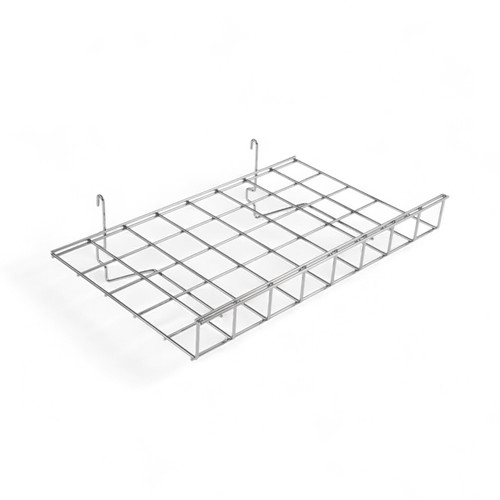

Gridwall vs Slatwall: Which Display System Is Best for Your Shop?
Posted by Shoplines Supplies on 9th Aug 2026

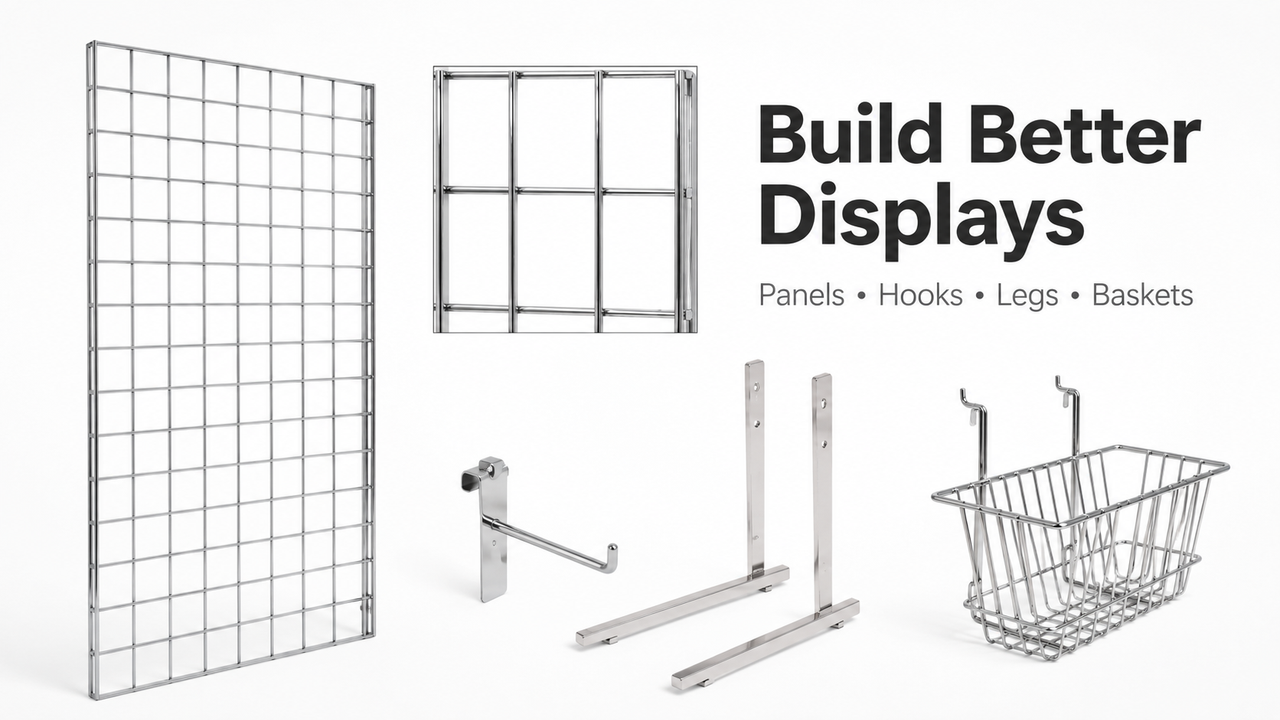
Gridwall and slatwall are both flexible ways to present merchandise, but they create different looks and suit different installation needs. Gridwall uses open metal mesh panels. Slatwall uses horizontal channels that accept matching hooks, arms, shelves and holders. The better system depends on the products, available walls, desired appearance and frequency of layout changes.
What is gridwall?
Gridwall, also called grid mesh, consists of rigid wire panels with a regular square pattern. Panels can be fixed to a wall, joined into freestanding shapes or used with bases and legs. Hooks, baskets, shelves and display arms attach at multiple positions, which makes the system easy to reconfigure.
The open structure keeps sightlines light and allows wall colour or a backing surface to remain visible. It works particularly well for accessories, packaged goods, craft products, clothing and temporary displays.
What is slatwall?
Slatwall panels contain horizontal grooves that accept compatible fittings. The result is a more continuous display surface, with accessories positioned along each channel. It is commonly used behind counters, on perimeter walls and in fitted retail interiors where a clean, integrated finish is important.
Panel material, groove spacing, inserts and installation details vary, so fittings should be checked for compatibility with the exact system.
Compare flexibility
Both systems allow products to move without rebuilding a permanent fixture. Gridwall offers many attachment points across an open panel and can be assembled into portable floor displays. Slatwall provides long horizontal positioning runs and can create a consistent fitted wall.
If the display changes daily or travels to events, gridwall can be a practical choice. If the aim is a permanent wall treatment with a furniture-like appearance, slatwall may better support the overall interior.
Compare appearance
Gridwall has an industrial, lightweight character. Black, white and chrome finishes can either blend into the display or become a deliberate visual feature. Because the panel is open, it avoids making a small space feel completely enclosed.
Slatwall gives a solid backdrop and can coordinate with counters, shelves and wall finishes. The channels remain visible, but the presentation can feel more built-in. Consider how either system will look when stock levels are low as well as when fully merchandised.
Installation and portability
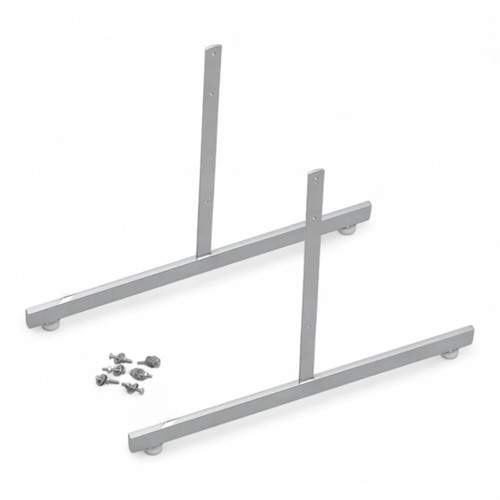
Wall-mounted grid panels require suitable fixings and a sound mounting surface. Freestanding gridwall needs compatible feet, bases or joining clips and must be assembled for stability. Slatwall panels normally require a planned wall installation and correct support for the intended load.
Do not assume the wall, panel or accessory can carry a particular product. Use the specifications supplied for every component and seek installation advice where required. Freestanding fixtures should remain stable when customers remove stock from one side.
Accessories and compatibility
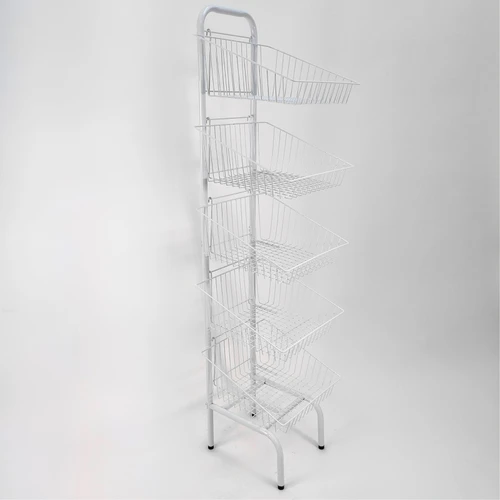
Make a list of the merchandise before choosing fittings. Garments may need straight or sloping arms. Small packaged products may need hooks. Loose items benefit from baskets, while folded goods need shelves.
Accessories described as gridwall or slatwall are not automatically interchangeable. Check hook shape, dimensions, panel spacing and stated compatibility. Ordering a small test selection can help confirm how products sit before a full rollout.
Product visibility and maintenance
A flexible system still needs a clear merchandising plan. Group related items, maintain consistent spacing and keep price information close to the product. Avoid filling every available attachment point. Controlled negative space can make ranges easier to understand.
Inspect panels, joints, feet, fixings and accessories regularly. Replace bent hooks and remove damaged components. Keep finishes clean using methods suitable for the material and coating.
Which system suits which situation?
- Pop-up shop or exhibition: freestanding gridwall is often easier to transport and reconfigure.
- Permanent fitted wall: slatwall can provide a more integrated finish.
- Small accessories: either system works when the correct hooks and holders are used.
- Changing fashion display: grid panels, arms and shelves support frequent movement.
- Coordinated interior scheme: slatwall may align more closely with counters and furniture.
Decision checklist
- Wall-mounted, freestanding or portable use confirmed.
- Product size, weight and packaging reviewed.
- Required hooks, arms, baskets and shelves listed.
- Panel and accessory compatibility verified.
- Installation surface and fixings assessed.
- Finish coordinated with the rest of the store.
- Future layout changes considered.
Build a display around the merchandise
Choose gridwall for open, portable flexibility and slatwall for a more continuous fitted backdrop. In both cases, the right accessories and a clear product plan matter more than simply filling the available surface.
Browse Shoplines grid mesh panels and accessories, including compatible hooks, rails, arms, legs, bases, baskets and boxes.